The Evolution of Veneer: A Look at the History and Modern Applications
Published: August 10, 2023
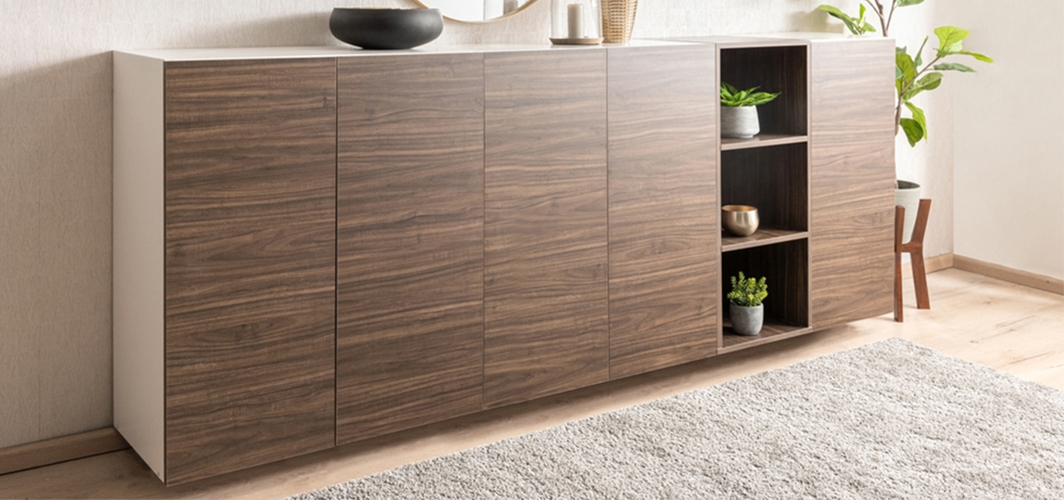
Veneer is a thin layer of wood or other material that is applied to the surface of another object to enhance its appearance, durability, or functionality. Veneer has been used for thousands of years as a decorative and practical technique in various fields, such as furniture making, architecture, musical instruments, dentistry, and art. In this blog post, we will explore the history of veneer, how it is made, and how it is used in modern times.
The history of veneer
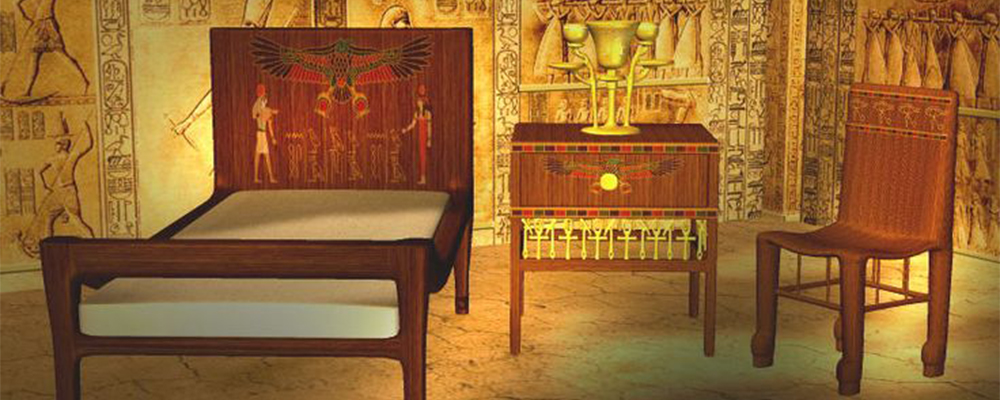
The earliest evidence of veneer dates back to ancient Egypt, where it was used to adorn the coffins and furniture of the pharaohs and nobles. The Egyptians used a crude saw to cut thin slices of wood, such as ebony and ivory, and glued them to the surface of the objects with animal glue. They also used veneer to create intricate patterns and designs, such as geometric shapes, floral motifs, and animal figures.
The craft of veneering was also practiced by the ancient Greeks and Romans, who used it to embellish their furniture, doors, walls, and floors. They used a variety of woods, such as cedar, cypress, olive, walnut, and maple, as well as precious materials, such as gold, silver, bronze, and marble. They also developed more sophisticated tools and techniques for cutting and joining veneers, such as planes, chisels, saws, and clamps.
Veneering declined during the Middle Ages, but was revived in the 17th century in France, where it reached its peak of artistic expression. The French cabinetmakers, known as ébénistes, created exquisite furniture with elaborate veneers of exotic woods, such as rosewood, mahogany, satinwood, and kingwood. They also invented a new style of veneering called marquetry, which involved cutting and fitting different pieces of veneer into a picture or a scene. Some of the most famous ébénistes were André-Charles Boulle, Jean-François Oeben, Jean-Henri Riesener, and Adam Weisweiler.
Veneering spread to other European countries in the 18th century, where it was influenced by the local styles and tastes. For example, in England, Thomas Chippendale used veneer to create elegant furniture with Gothic, Chinese, and Rococo elements. In Germany, David Roentgen used veneer to create ingenious mechanical furniture with hidden compartments and secret drawers. In Italy, Giuseppe Maggiolini used veneer to create ornate furniture with floral and mythological motifs.
Veneering also reached North America in the 18th century, where it was mainly used for making musical instruments. The piano industry was the first to adopt plywood as a material for making soundboards and cases. Plywood is a type of veneer that consists of several layers of wood glued together at right angles to each other. Plywood was invented in the late 19th century by using machines that could slice wood into thin sheets. Plywood offered several advantages over solid wood: it was cheaper, stronger, more stable, and more resistant to warping and cracking.
How veneer is made
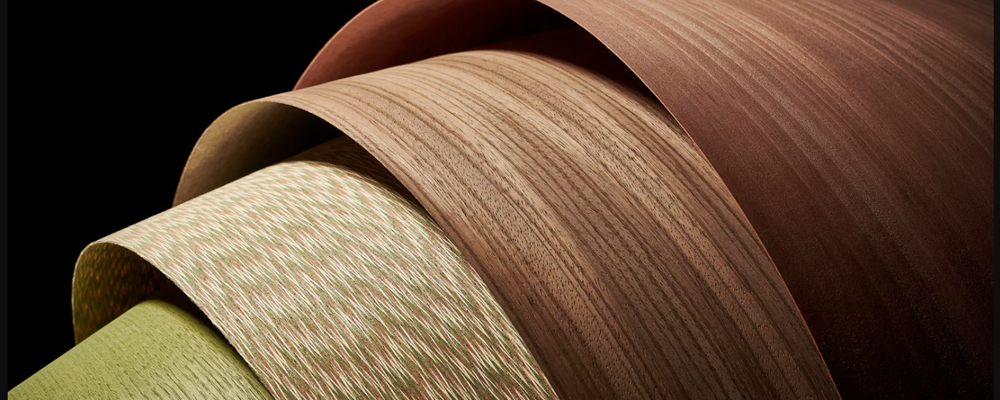
The process of making veneer has evolved over time with the development of technology and machinery. Today, there are two main methods of cutting veneer: slicing and peeling.
Slicing is the most common method of cutting veneer. It involves slicing a log or a block of wood along its length or across its width with a sharp knife or a blade. The thickness of the veneer can vary from 0.6 mm to 6 mm depending on the type of wood and the desired quality. Slicing can produce different patterns on the veneer depending on the angle and direction of the cut. Some of the common patterns are:
- Plain sliced: The log is sliced parallel to its centreline. This produces a straight grain pattern with some variation in color and texture.
- Quarter sliced: The log is sliced perpendicular to its growth rings. This produces a striped or ribbon-like pattern with uniform color and texture.
- Rift sliced: The log is sliced at an angle to its growth rings. This produces a straight grain pattern with minimal variation in color and texture.
- Rotary cut: The log is mounted on a lathe and rotated against a knife. This produces a continuous sheet of veneer with a broad grain pattern.
Peeling is another method of cutting veneer. It involves peeling a thin layer of wood from a rotating log with a knife or a blade. The thickness of the veneer can range from 0.25 mm to 0.8 mm depending on the type of wood and the desired quality. Peeling can produce large sheets of veneer with a uniform grain pattern. Peeling is mainly used for making plywood and other composite materials.
After the veneer is cut, it is dried, trimmed, sorted, and graded according to its quality and appearance. The veneer is then ready to be used for various applications.
How veneer is used

Veneer has many uses in different fields and industries. Some of the common uses are:
- Furniture: Veneer is used to make furniture that is attractive, durable, and affordable. Veneer can be applied to the surface of solid wood, plywood, particleboard, or medium-density fiberboard (MDF) to create different styles and designs. Veneer can also be used to repair or restore antique furniture by replacing damaged or missing parts.
- Architecture: Veneer is used to make architectural elements that are decorative, functional, and sustainable. Veneer can be applied to the surface of walls, ceilings, floors, doors, windows, columns, beams, and panels to create different effects and atmospheres. Veneer can also be used to improve the thermal and acoustic performance of buildings by providing insulation and sound absorption.
- Musical instruments: Veneer is used to make musical instruments that are beautiful, resonant, and stable. Veneer can be applied to the surface of solid wood or plywood to create different tones and timbres. Veneer can also be used to enhance the appearance and durability of musical instruments by adding color, texture, and pattern.
- Dentistry: Veneer is used to make dental prosthetics that are natural-looking, comfortable, and functional. Veneer can be applied to the surface of teeth or implants to improve their shape, size, color, and alignment. Veneer can also be used to protect the teeth from decay and damage by providing a smooth and hard surface.
- Art: Veneer is used to make art works that are creative, expressive, and unique. Veneer can be cut, shaped, glued, painted, stained, or carved to create different forms and images. Veneer can also be used to make collages, sculptures, mosaics, or installations by combining different materials and techniques.
Conclusion
Veneer is a versatile and valuable material that has a long and rich history. Veneer has been used for thousands of years as a decorative and practical technique in various fields, such as furniture making, architecture, musical instruments, dentistry, and art. Veneer has evolved over time with the development of technology and machinery. Today, veneer is made by slicing or peeling thin layers of wood or other materials that are applied to the surface of another object to enhance its appearance, durability, or functionality. Veneer has many uses in different fields and industries that offer aesthetic, economic, and environmental benefits.
We hope you enjoyed reading this blog post about the evolution of veneer. If you are interested in learning more about veneer or buying high-quality veneer products for your home or business, please visit our website at Antico. We are a leading veneer manufacturer in India with over 20 years of experience in the industry. We offer a wide range of veneer products with different species, patterns, and finishes to suit your needs and preferences. We also provide customized solutions for your specific requirements. Contact us today for more information.